How to Write an Academic CV for a Scholarship: Tips, Examples, and Strategies
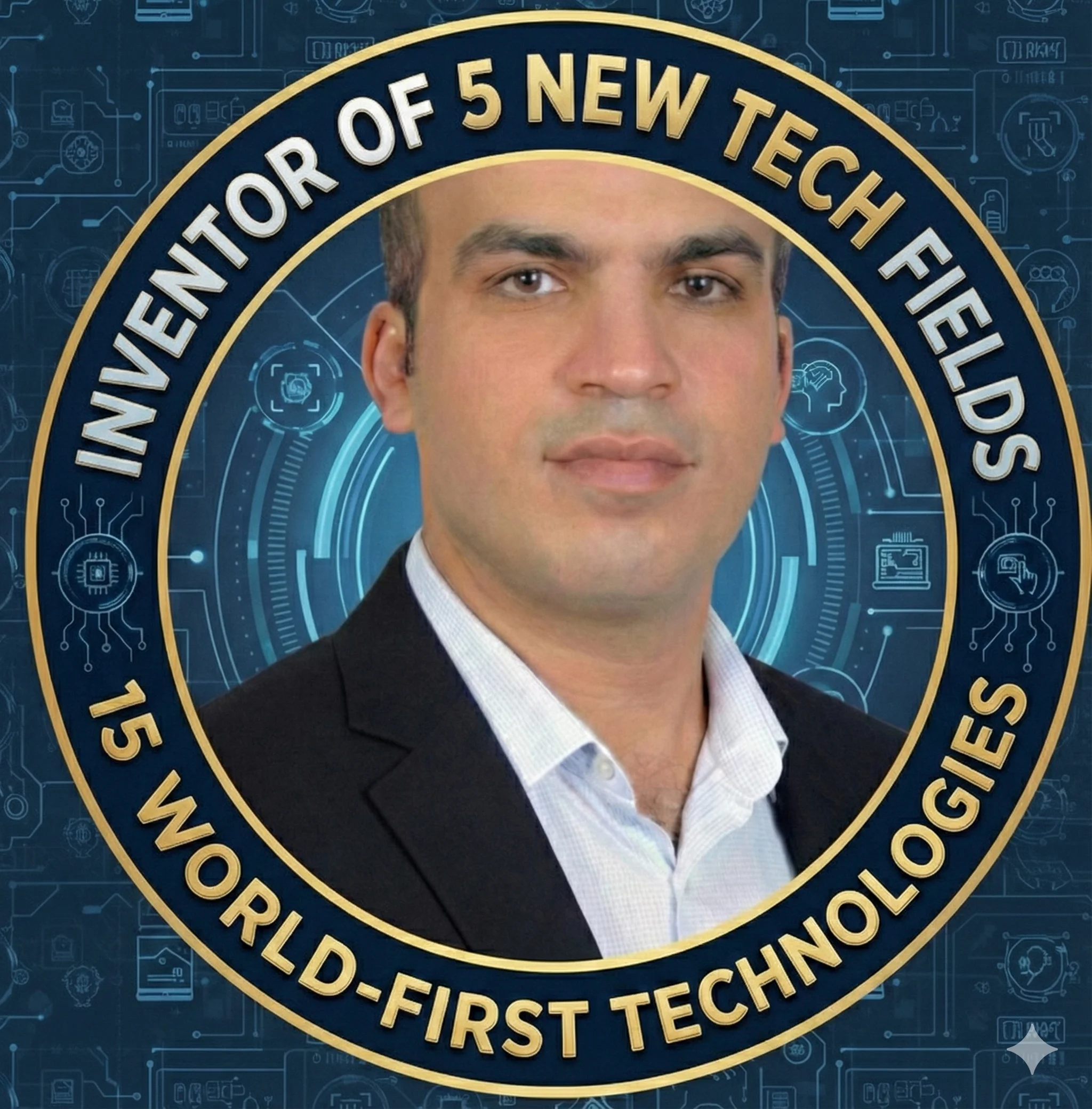 Medhat Zohery
| World-class Scientist | Polymath | Inventor | Solo Architect of Impossible
Medhat Zohery
| World-class Scientist | Polymath | Inventor | Solo Architect of Impossible



-
Stop Dreaming. Start Executing.
Join the Ferct Founding 50 to unlock your full potential and achieve your dreams.
Exclusive Lifetime Access to Ferct – The World's First Goal Achievement Network.
SECURE YOUR SPOT NOW
-
Become a Certified Scientific Researcher
Join the world’s #1 comprehensive online skills program designed to empower college students, postgraduates, and researchers to launch or advance their careers in research and development.
Learn more
This offer for one time after that will be this closed forever. No extensions. No second chancess.
An academic CV (Curriculum Vitae) is a vital component of many scholarship applications, serving as a comprehensive record of your academic achievements, research experience, and professional qualifications. Unlike a resume, which is typically concise and tailored for job applications, an academic CV provides a detailed overview of your educational background, publications, presentations, and relevant activities, tailored to the scholarship’s requirements. Crafting a winning academic CV requires clarity, organization, and strategic alignment with the scholarship’s goals. AI tools, such as ChatGPT, can assist in drafting, organizing, and refining your CV, but the final product must reflect your unique accomplishments. This comprehensive guide, spanning at least 1,500 words, offers a step-by-step approach to creating an academic CV for a scholarship, with tips, examples, and strategies to make your application stand out.
What Is an Academic CV for a Scholarship?
An academic CV is a document that outlines your educational history, research experience, publications, awards, and other relevant qualifications in a structured format. For scholarship applications, it serves to:
Unlike a resume, which is typically 1–2 pages, an academic CV can be longer (2–5 pages, depending on experience) and includes detailed sections like publications, conferences, and academic honors. The CV must be tailored to the specific scholarship to highlight relevant qualifications.
Why Use AI Tools for Writing an Academic CV?
AI tools like ChatGPT can streamline the CV-writing process by:
However, AI-generated content may lack specificity or appear generic without proper guidance. To create a compelling CV, you must provide detailed information about your achievements and tailor the output to reflect your unique qualifications.
Step-by-Step Guide to Writing an Academic CV for a Scholarship
Here’s a detailed process for crafting an academic CV, with tips on leveraging AI tools effectively:
Step 1: Understand the Scholarship Requirements
Before writing, research the scholarship to understand its objectives, eligibility criteria, and expectations for the CV. Key questions to answer include:
For example, a scholarship for graduate research might prioritize publications and research experience, while one for undergraduate leadership might value extracurricular activities. Tailoring your CV to these priorities is essential.
Step 2: Gather Your Information
Compile a comprehensive list of your qualifications, including:
Having this information ready ensures your CV is complete and accurate.
Step 3: Brainstorm with AI
Use an AI tool to generate ideas for your CV’s content and structure. Provide a detailed prompt that includes your background and the scholarship’s focus. For example:
Prompt:
“I’m applying for the [Scholarship Name] for graduate students in environmental science. I’m a master’s student with a 3.9 GPA, research experience in renewable energy, and a published paper on solar panel efficiency. Help me brainstorm sections and key points to include in my academic CV.”
The AI might suggest sections like Education, Research Experience, Publications, Awards, and Leadership Activities, emphasizing your renewable energy research and publication. Use these suggestions to prioritize relevant qualifications.
Step 4: Create a CV Outline
A well-organized academic CV typically includes the following sections, though you can adjust based on the scholarship’s requirements:
Ask the AI to generate a tailored outline. For example:
Prompt:
“Create an outline for an academic CV for the [Scholarship Name], which supports environmental science graduate students. I have research experience, a published paper, and leadership in a sustainability club.”
Sample Outline:
Step 5: Draft CV Sections with AI
Use the AI to draft individual sections, providing specific prompts to ensure relevance. For example:
Prompt:
“Write a Research Experience section for my academic CV for the [Scholarship Name] in environmental science. I’m a master’s student who worked on a solar panel efficiency project from June 2024 to May 2025, using MATLAB to analyze data, resulting in a published paper.”
Sample Output:
Research Experience
Graduate Research Assistant, Solar Energy Project, [University Name], June 2024–May 2025
Personalize this section by adding specific details, such as the journal’s name or a unique aspect of the project.
Step 6: Highlight Achievements with Specificity
Each CV entry should be concise yet descriptive, using action verbs (e.g., “developed,” “analyzed,” “presented”) and quantifiable outcomes where possible. For example:
Prompt:
“Write an Awards and Honors section for my academic CV. I received the Dean’s List award for three semesters, a $2,000 research grant in 2024, and a first-place poster award at a 2025 science symposium.”
Sample Output:
Awards and Honors
Ensure entries are accurate and relevant to the scholarship.
Step 7: Tailor to the Scholarship
Highlight sections or achievements that align with the scholarship’s focus. For example, if the scholarship prioritizes community impact, emphasize leadership or volunteer work. Use the AI to refine descriptions:
Prompt:
“Here’s my Extracurricular Activities section: [Insert draft]. Revise it to emphasize my leadership in a sustainability club for the [Scholarship Name], which values environmental impact.”
Sample Output:
Extracurricular Activities
President, Sustainability Club, [University Name], September 2023–May 2025
Secured $1,500 in funding from local businesses to support eco-friendly projects.
Step 8: Polish for Clarity and Professionalism
Use the AI to refine language, ensuring clarity, conciseness, and a professional tone. For example:
Prompt:
“Here’s my academic CV draft: [Insert draft]. Edit it to improve clarity, remove redundancy, and ensure a professional tone. Ensure consistent formatting and action verbs.”
Review the output to confirm accuracy and alignment with the scholarship’s guidelines.
Step 9: Format the CV
A professional CV should be clean and easy to read. Follow these formatting tips:
Step 10: Review and Finalize
Proofread the CV yourself or ask a mentor to review it for errors or omissions. Ensure all information is accurate and tailored to the scholarship. If revisions are needed, use the AI to incorporate feedback:
Prompt:
“My advisor suggested my CV needs stronger emphasis on my research skills for the [Scholarship Name]. Here’s my draft: [Insert draft]. Revise the Research Experience section to highlight my data analysis skills.”
Submit the CV in the required format (e.g., PDF) and double-check submission guidelines.
Tips for Using AI Effectively
To maximize the AI’s potential, follow these tips:
Example CV Sections
Here are two sample CV sections generated with tailored AI prompts:
Example 1: Research Experience
Prompt:
“Write a Research Experience section for my academic CV for the [Scholarship Name] in biomedical engineering. I worked on a tissue engineering project from January 2024 to June 2025, using 3D printing techniques, and presented at a national conference.”
Sample Output:
Research Experience
Research Assistant, Tissue Engineering Lab, [University Name], January 2024–June 2025
Example 2: Leadership and Extracurriculars
Prompt:
“Write an Extracurricular Activities section for my CV for the [Scholarship Name], which values community impact. I led a STEM outreach program for high school students in 2024.”
Sample Output:
Extracurricular Activities
Coordinator, STEM Outreach Program, [University Name], September 2024–December 2024
Strategies for a Winning CV
To make your CV stand out, combine AI assistance with these strategies:
Common Mistakes to Avoid
Even with AI help, avoid these pitfalls:
Conclusion
An academic CV is your opportunity to present a comprehensive, professional overview of your qualifications for a scholarship. By using AI tools strategically, you can streamline the process, from brainstorming to polishing your final document. Provide detailed prompts, personalize the output, and ensure alignment with the scholarship’s goals. With a clear structure, specific achievements, and a professional format, your CV will showcase your strengths and make a strong case for your candidacy. Take the time to refine your work, seek feedback, and tailor it to the scholarship—your effort will pave the way for future opportunities.
About Author:
Medhat Zohery is a world-class scientist, polymath, and the principal inventor of 15 world-first technologies, including Executive AI and Flying Healthcare. With 11 UK patent applications and a ResearchGate Interest Score in the top 1%, Medhat writes from the bleeding edge of innovation. Medhat Zohery is the "Solo Architect of the Impossible" and Founder & CEO of Ferct. He is the only person in the world to solo-architect a 3-million-line AI ecosystem and deliver 19 National Climate Reports for COP26. How does one person achieve the output of a 50-person enterprise team? Medhat distills his frameworks for extreme productivity and goal achievement inside Ferct VIP.Don't just read about the future—build it. Join Ferct VIP for exclusive access to the world's first AI-powered Goal Achievement Network. Join Ferct VIP to access the tools and mindset of a top 0.001% global innovatorand top 1% of researchers. Join Now