How to Write a Winning Scholarship Essay: Tips and Examples
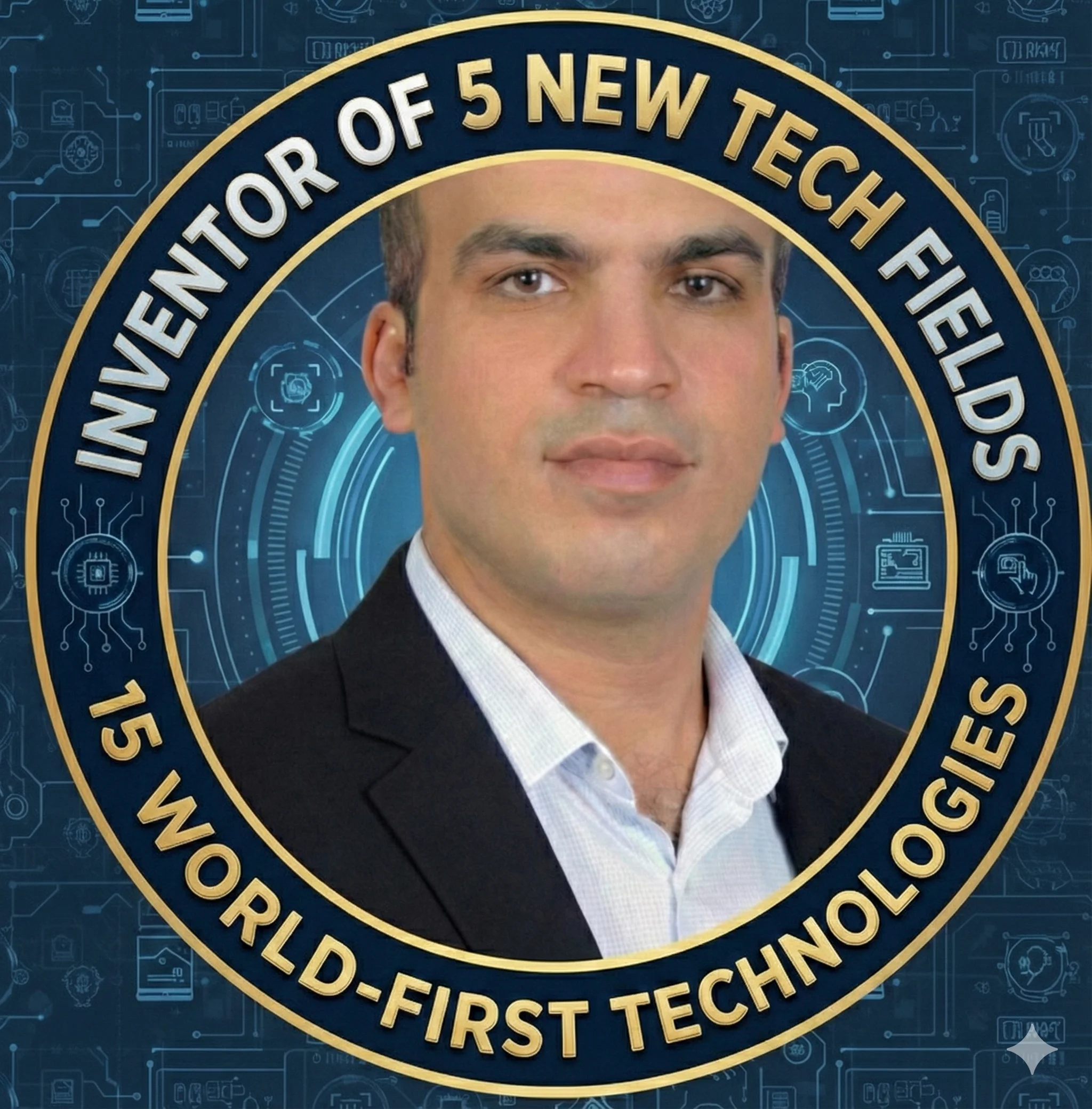 Medhat Zohery
| World-class Scientist | Polymath | Inventor | Solo Architect of Impossible
Medhat Zohery
| World-class Scientist | Polymath | Inventor | Solo Architect of Impossible



-
Stop Dreaming. Start Executing.
Join the Ferct Founding 50 to unlock your full potential and achieve your dreams.
Exclusive Lifetime Access to Ferct – The World's First Goal Achievement Network.
SECURE YOUR SPOT NOW
-
Become a Certified Scientific Researcher
Join the world’s #1 comprehensive online skills program designed to empower college students, postgraduates, and researchers to launch or advance their careers in research and development.
Learn more
This offer for one time after that will be this closed forever. No extensions. No second chancess.
A scholarship essay is often the most critical component of a scholarship application, offering a unique opportunity to showcase your personality, goals, and qualifications beyond grades and resumes. A well-crafted essay can set you apart from other applicants by telling a compelling story that aligns with the scholarship’s mission. Writing a winning scholarship essay requires clarity, authenticity, and strategic planning. Tools like AI (e.g., ChatGPT or similar platforms) can assist in brainstorming, structuring, and polishing your essay, but the final product must reflect your voice and experiences. In this comprehensive guide, we’ll provide a step-by-step approach to writing a standout scholarship essay, complete with tips, examples, and strategies to maximize your chances of success.
What Is a Scholarship Essay?
A scholarship essay is a personal narrative written in response to a prompt provided by the scholarship organization. It typically ranges from 250 to 1,000 words and serves to:
Unlike a resume, which lists accomplishments, a scholarship essay allows you to weave a narrative that connects your experiences to the scholarship’s values. It’s your chance to make a memorable impression.
Why Use AI Tools for Writing a Scholarship Essay?
AI tools like ChatGPT can streamline the essay-writing process by:
However, AI-generated content can be generic or lack emotional depth if not guided properly. To create a winning essay, you must provide specific details and refine the output to reflect your authentic voice.
Step-by-Step Guide to Writing a Winning Scholarship Essay
Here’s a detailed process for crafting a scholarship essay, with tips on leveraging AI tools effectively:
Step 1: Understand the Scholarship and Prompt
Before writing, thoroughly research the scholarship and its essay prompt. Key questions to answer include:
For example, a scholarship for future engineers might value problem-solving skills, while one for community leaders might prioritize volunteer work. Tailoring your essay to the scholarship’s mission is crucial.
Step 2: Brainstorm with AI
Use an AI tool to generate ideas for your essay. Provide a detailed prompt that includes your background, achievements, and the scholarship’s focus. For example:
Prompt:
“I’m applying for the [Scholarship Name] for first-generation college students pursuing STEM. I’m a computer science major with a 3.7 GPA, experience in a coding bootcamp, and a passion for developing educational apps. Help me brainstorm themes and experiences for my scholarship essay.”
The AI might suggest themes like overcoming barriers as a first-generation student, your coding bootcamp project, or your goal to create accessible technology. Use these ideas to create a list of points to include in your essay.
Step 3: Create an Outline
A well-structured essay typically includes an introduction, body paragraphs, and a conclusion. Ask the AI to generate an outline tailored to the scholarship prompt. For example:
Prompt:
“Create an outline for a 500-word scholarship essay for the [Scholarship Name], which supports STEM students. The prompt is: ‘Describe a challenge you’ve overcome and how it shaped your goals.’ I’m a first-generation student who struggled financially but excelled in a coding bootcamp.”
Sample Outline:
This outline ensures your essay is cohesive and addresses the prompt effectively.
Step 4: Draft the Essay with AI
Use the AI to draft sections of your essay, providing specific prompts to ensure relevance. For example:
Prompt:
“Write a 150-word introduction for a scholarship essay for the [Scholarship Name] in STEM. The prompt is: ‘Describe a challenge you’ve overcome.’ I’m a first-generation college student who faced financial hardship but excelled in a coding bootcamp. Mention my goal to develop educational apps.”
Sample Output:
As a first-generation college student, I faced significant financial hardship that threatened my dream of pursuing a computer science degree. Growing up in a low-income household, I often worked part-time to support my family, leaving little time for studies. Despite these challenges, I enrolled in a coding bootcamp, where I honed my programming skills and discovered a passion for developing educational apps. This experience taught me resilience and the value of accessible technology. The [Scholarship Name] will enable me to focus on my studies and create apps that empower underserved students. I am eager to contribute to [Scholarship Name]’s mission of fostering STEM innovation and breaking barriers for first-generation scholars.
Personalize this draft by adding specific details, such as the name of the bootcamp or a particular app you developed.
Step 5: Develop the Body Paragraphs
The body of your essay should provide depth and evidence to support your narrative. Use the AI to draft paragraphs that address the prompt and highlight your strengths. For example:
Prompt:
“Write a 200-word body paragraph for a scholarship essay addressing the prompt: ‘Describe a challenge you’ve overcome.’ Focus on my financial struggles as a first-generation student and how I succeeded in a coding bootcamp, leading to a project that won a local hackathon.”
Sample Output:
Growing up as a first-generation college student, financial struggles were a constant challenge. With limited resources, I balanced part-time jobs with my studies, often sacrificing sleep to keep up. Determined to pursue my passion for computer science, I enrolled in a rigorous coding bootcamp, where I faced a steep learning curve. Through perseverance and late-night study sessions, I mastered Python and developed a mobile app that streamlined study resources for low-income students. This project not only won first place at a local hackathon but also reinforced my belief in technology’s power to create equity. The bootcamp taught me problem-solving and resilience, qualities I now apply to my computer science coursework. This experience solidified my goal to develop educational apps that make learning accessible to all. The [Scholarship Name] will allow me to focus on my studies and continue creating impactful solutions, aligning with its mission to support innovative STEM scholars.
Add personal touches, such as the app’s name or a specific obstacle you faced in the bootcamp.
Step 6: Craft a Strong Conclusion
The conclusion should tie your story together and reaffirm your fit for the scholarship. For example:
Prompt:
“Write a 100-word conclusion for a scholarship essay for the [Scholarship Name]. Summarize my journey as a first-generation student overcoming financial challenges and my goal to develop educational apps.”
Sample Output:
My journey as a first-generation college student has been defined by overcoming financial challenges through determination and a passion for computer science. From late-night coding sessions to winning a hackathon with an educational app, I’ve learned resilience and the value of accessible technology. The [Scholarship Name] will empower me to focus on my studies and develop apps that make education equitable for underserved communities. I am committed to advancing STEM innovation, and this scholarship will be a pivotal step toward achieving my goals. Thank you for considering me for this transformative opportunity.
Step 7: Refine and Personalize
AI-generated drafts may lack your unique voice or emotional depth. To make your essay authentic:
Prompt for Refinement:
“Here’s a draft paragraph for my scholarship essay: [Insert draft]. Revise it to sound more personal, emphasizing my experience mentoring younger students in the coding bootcamp and my excitement about [Scholarship Name]’s focus on STEM equity.”
Step 8: Polish for Clarity and Conciseness
Use the AI to improve grammar, flow, and conciseness. For example:
Prompt:
“Here’s my scholarship essay draft: [Insert draft]. Edit it to reduce word count by 10%, improve sentence flow, and ensure an engaging yet professional tone.”
Review the output to ensure it retains your narrative and adheres to the scholarship’s guidelines.
Step 9: Seek Feedback and Finalize
Share your draft with teachers, mentors, or peers for feedback. If revisions are needed, use the AI to incorporate specific suggestions. For example:
Prompt:
“My teacher suggested my scholarship essay needs a stronger connection between my coding bootcamp experience and the scholarship’s focus on STEM equity. Here’s my draft: [Insert draft]. Revise the second paragraph to emphasize how my app project supports underserved students.”
Before submitting, proofread the essay yourself and ensure it meets the scholarship’s word count, format, and submission requirements.
Tips for Using AI Effectively
To maximize the AI’s potential, follow these tips:
Example Scholarship Essay Paragraphs
Here are two sample paragraphs generated with tailored AI prompts:
Example 1: Introduction for a Diversity Scholarship
Prompt:
“Write a 150-word introduction for a scholarship essay for the [Scholarship Name], which supports diverse students in higher education. The prompt is: ‘Share your unique journey.’ I’m a first-generation Latina student majoring in engineering, inspired by my parents’ immigration story.”
Sample Output:
As a first-generation Latina student, my journey to pursuing an engineering degree is rooted in my parents’ courage to immigrate to the United States for a better future. Their sacrifices inspired me to excel academically, earning a 3.8 GPA despite working part-time to support my family. Growing up in a community where few pursued STEM, I faced self-doubt but found my calling in engineering through a high school robotics club. The [Scholarship Name]’s commitment to diversity resonates with my goal to design sustainable infrastructure for underserved communities. This scholarship will allow me to focus on my studies and break barriers for future Latina engineers. I am eager to contribute to a more inclusive STEM field.
Example 2: Body Paragraph for a Leadership Scholarship
Prompt:
“Write a 200-word body paragraph for a scholarship essay for the [Scholarship Name], which values leadership. The prompt is: ‘Describe a time you demonstrated leadership.’ I led a community garden project that provided fresh produce to low-income families.”
Sample Output:
In my sophomore year, I noticed many low-income families in my community lacked access to fresh produce, so I took the initiative to lead a community garden project. As president of my school’s environmental club, I rallied 15 volunteers, secured funding from local businesses, and coordinated with a nearby shelter to distribute produce. The project was challenging—coordinating schedules and managing limited resources tested my organizational skills. By fostering open communication and delegating tasks, I ensured our team planted and maintained the garden, yielding over 500 pounds of vegetables in six months. This experience taught me the power of collaborative leadership and reinforced my commitment to addressing food insecurity. The [Scholarship Name]’s focus on leadership aligns with my goal to scale similar initiatives, creating sustainable solutions for underserved communities. This scholarship will support my studies in environmental science, enabling me to lead impactful projects.
Strategies for Writing a Winning Essay
To make your scholarship essay stand out, combine AI assistance with these strategies:
Common Mistakes to Avoid
Even with AI help, avoid these pitfalls:
Conclusion
Writing a winning scholarship essay is your chance to shine and convince the committee that you’re the ideal candidate. By using AI tools strategically, you can streamline the process, from brainstorming to polishing your final draft. Provide detailed prompts, personalize the output, and combine it with authentic storytelling to create a memorable essay. With careful research, a clear structure, and a focus on your unique journey, your essay can set you apart and secure the scholarship you deserve. Take the time to refine your work, seek feedback, and let your passion shine through—your future awaits!
About Author:
Medhat Zohery is a world-class scientist, polymath, and the principal inventor of 15 world-first technologies, including Executive AI and Flying Healthcare. With 11 UK patent applications and a ResearchGate Interest Score in the top 1%, Medhat writes from the bleeding edge of innovation. Medhat Zohery is the "Solo Architect of the Impossible" and Founder & CEO of Ferct. He is the only person in the world to solo-architect a 3-million-line AI ecosystem and deliver 19 National Climate Reports for COP26. How does one person achieve the output of a 50-person enterprise team? Medhat distills his frameworks for extreme productivity and goal achievement inside Ferct VIP.Don't just read about the future—build it. Join Ferct VIP for exclusive access to the world's first AI-powered Goal Achievement Network. Join Ferct VIP to access the tools and mindset of a top 0.001% global innovatorand top 1% of researchers. Join Now