How to Use ChatGPT to Write a Statement of Purpose: Tips, Examples, and Strategies
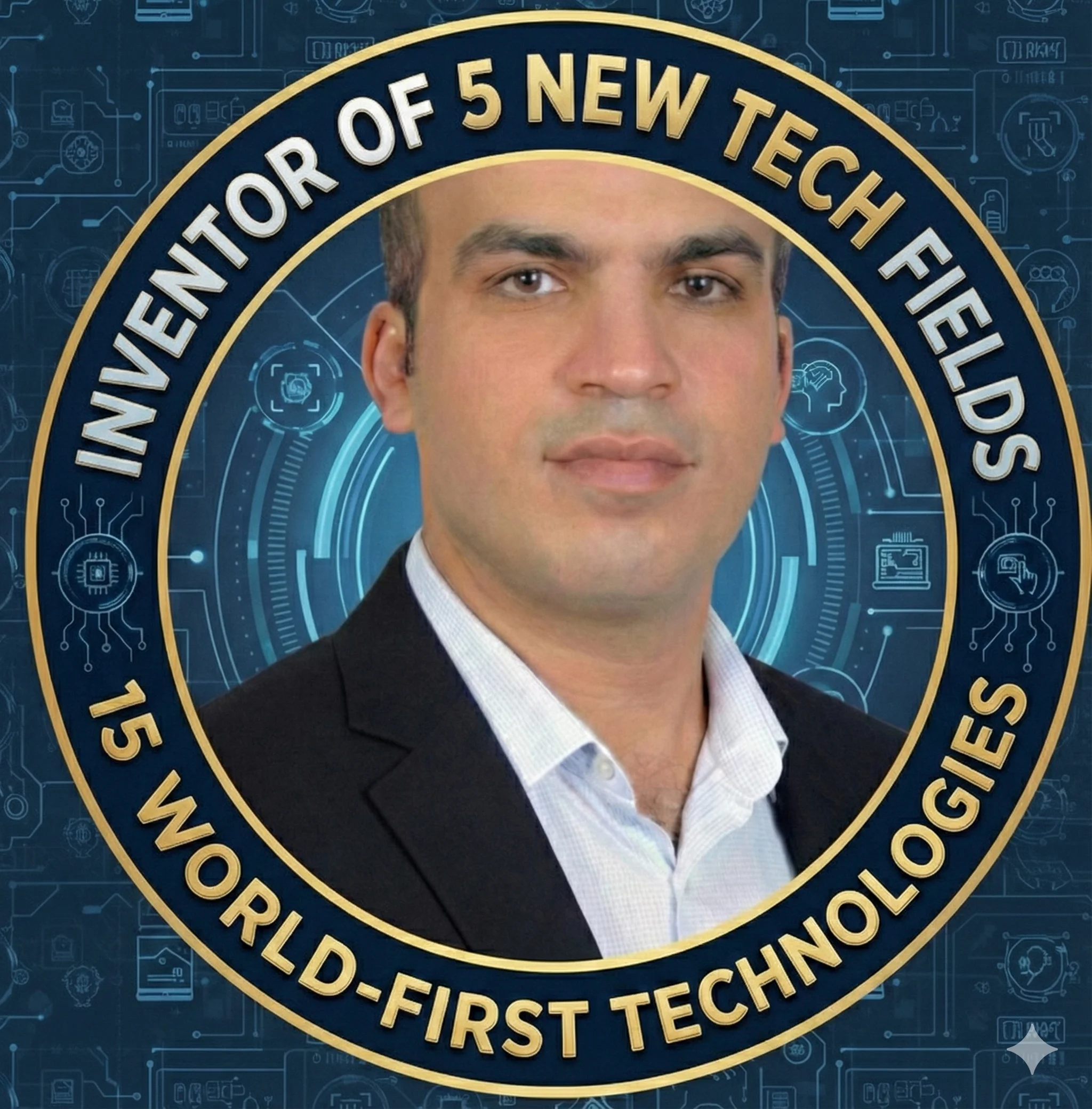 Medhat Zohery
| World-class Scientist | Polymath | Inventor | Solo Architect of Impossible
Medhat Zohery
| World-class Scientist | Polymath | Inventor | Solo Architect of Impossible



-
Stop Dreaming. Start Executing.
Join the Ferct Founding 50 to unlock your full potential and achieve your dreams.
Exclusive Lifetime Access to Ferct – The World's First Goal Achievement Network.
SECURE YOUR SPOT NOW
-
Become a Certified Scientific Researcher
Join the world’s #1 comprehensive online skills program designed to empower college students, postgraduates, and researchers to launch or advance their careers in research and development.
Learn more
This offer for one time after that will be this closed forever. No extensions. No second chancess.
A Statement of Purpose (SOP) is a critical component of many academic and professional applications, whether for graduate school, scholarships, or job opportunities. It’s your chance to showcase your goals, experiences, and motivations in a compelling narrative that sets you apart from other candidates. Crafting a strong SOP requires clarity, authenticity, and a structured approach, but it can be daunting to start from scratch. This is where tools like ChatGPT, a conversational AI model developed by OpenAI, can be a game-changer. By leveraging ChatGPT’s capabilities, you can streamline the writing process, refine your ideas, and produce a polished SOP. In this comprehensive guide, we’ll explore how to use ChatGPT effectively to write an SOP, offering tips, examples, and strategies to ensure your statement stands out.
What Is a Statement of Purpose?
A Statement of Purpose is a personal essay that outlines your academic and professional background, your reasons for pursuing a specific program or position, and your future goals. It’s typically required for graduate school applications, but it may also be requested for scholarships, fellowships, or certain job applications. An effective SOP should:
Writing an SOP can be challenging because it requires balancing personal storytelling with professional rigor. ChatGPT can assist by generating ideas, structuring your narrative, and polishing your prose. However, to get the best results, you need to use it strategically. Let’s dive into how to do that.
Why Use ChatGPT for Writing an SOP?
ChatGPT is a powerful AI tool that can generate human-like text based on prompts. While it’s not a replacement for your unique voice and experiences, it can serve as a valuable assistant in the SOP writing process. Here’s why:
However, ChatGPT has limitations. It lacks personal context and may produce generic content if not guided properly. To avoid a cookie-cutter SOP, you’ll need to provide specific details and refine the output to reflect your authentic voice.
Step-by-Step Guide to Using ChatGPT for Your SOP
Here’s a detailed roadmap for using ChatGPT to craft a compelling Statement of Purpose:
Step 1: Understand the SOP Requirements
Before involving ChatGPT, review the specific guidelines for your SOP. Most institutions provide instructions regarding word count, format, and key questions to address. For example:
Once you have a clear understanding, you can tailor your prompts to ChatGPT to align with these requirements.
Step 2: Brainstorm with ChatGPT
Start by using ChatGPT to generate ideas and identify key themes for your SOP. Provide a prompt that includes your background, goals, and the program you’re applying to. For example:
Prompt:
“I’m applying to a Master’s in Computer Science at [University Name]. I have a Bachelor’s in Software Engineering, 2 years of experience as a junior developer, and a passion for artificial intelligence. Help me brainstorm key themes and experiences to include in my Statement of Purpose.”
ChatGPT might suggest themes like your technical expertise, a specific AI project you worked on, or your motivation to advance AI research. It could also highlight how your background aligns with the program’s focus. Use these suggestions to create a list of points to include in your SOP.
Step 3: Create an Outline
A well-structured SOP typically includes an introduction, body paragraphs, and a conclusion. Ask ChatGPT to generate an outline based on your brainstorming session. For example:
Prompt:
“Create an outline for a Statement of Purpose for a Master’s in Computer Science. Include sections for an introduction, academic background, professional experience, reasons for choosing the program, and future goals.”
Sample Output from ChatGPT (paraphrased):
Use this outline as a foundation for your SOP, tweaking it to fit your story.
Step 4: Draft Sections with ChatGPT
Now, use ChatGPT to draft individual sections of your SOP. Provide detailed prompts to ensure the output is specific and relevant. For example:
Prompt:
“Write a 200-word introduction for my Statement of Purpose for a Master’s in Computer Science at [University Name]. I’m a software engineer with a passion for machine learning, inspired by a college project where I developed a predictive model for stock prices. Mention my goal to contribute to AI advancements.”
Sample Output from ChatGPT (paraphrased):
From the moment I built my first predictive model for stock prices during my undergraduate studies in Software Engineering, I knew machine learning would define my career. That project sparked a fascination with harnessing data to solve complex problems, leading me to pursue a Master’s in Computer Science at [University Name]. My academic journey and two years as a junior developer have equipped me with a strong foundation in programming and algorithm design, but I’m eager to deepen my expertise in artificial intelligence. [University Name]’s cutting-edge research in AI, particularly Professor X’s work on neural networks, aligns perfectly with my ambition to develop innovative solutions that advance technology. This program offers the ideal environment to grow as a researcher and contribute to transformative AI applications.
This draft provides a starting point, but you’ll need to personalize it further with specific details, such as the professor’s name or a unique aspect of the program.
Step 5: Refine and Personalize the Draft
ChatGPT’s output may sound polished but could lack your unique voice or specific details. To make the SOP authentic:
Prompt for Refinement:
“Here’s a draft paragraph for my SOP: [Insert draft]. Revise it to sound more personal, emphasizing my experience leading a team project on natural language processing and my excitement about [University Name]’s NLP research lab.”
Step 6: Polish for Clarity and Conciseness
Once you have a full draft, use ChatGPT to improve clarity, grammar, and flow. For example:
Prompt:
“Here’s my Statement of Purpose draft: [Insert draft]. Edit it to reduce word count by 10%, improve sentence flow, and ensure a professional yet engaging tone.”
ChatGPT can suggest tighter phrasing, eliminate redundancy, and enhance readability. However, always review the output to ensure it retains your intended meaning.
Step 7: Seek Feedback and Iterate
After refining your SOP, share it with mentors, peers, or advisors for feedback. If you want ChatGPT to incorporate feedback, provide specific instructions. For example:
Prompt:
“My advisor suggested my SOP needs a stronger connection between my past research and the program’s focus on data science. Here’s my draft: [Insert draft]. Revise the third paragraph to emphasize how my undergraduate thesis on data visualization prepares me for [University Name]’s data science initiatives.”
Tips for Using ChatGPT Effectively
To maximize ChatGPT’s potential while avoiding common pitfalls, keep these tips in mind:
Example SOP Paragraphs Generated by ChatGPT
To illustrate how ChatGPT can help, here are two sample paragraphs generated with tailored prompts:
Example 1: Introduction for a Master’s in Public Health
Prompt:
“Write a 150-word introduction for an SOP for a Master’s in Public Health at [University Name]. I’m a nurse with 3 years of experience in community health, inspired by working with underserved populations during a volunteer trip to [Country]. My goal is to design public health interventions.”
Sample Output:
My passion for public health was ignited during a volunteer trip to [Country], where I witnessed the transformative impact of community health initiatives on underserved populations. As a nurse with three years of experience in community health, I’ve seen firsthand how access to care shapes lives. These experiences drove me to pursue a Master’s in Public Health at [University Name], a leader in innovative health policy research. [University Name]’s commitment to addressing global health disparities, particularly through its [specific program or center], resonates with my goal to design evidence-based interventions that promote equity. With a strong foundation in patient care and community outreach, I’m eager to build skills in epidemiology and policy analysis to create sustainable health solutions. This program is the perfect stepping stone to achieving my vision of improving health outcomes for vulnerable communities worldwide.
Example 2: Why This Program for an MBA
Prompt:
“Write a 200-word paragraph for an SOP explaining why I chose [University Name]’s MBA program. I’m a marketing professional with 5 years of experience, interested in entrepreneurship, and drawn to the program’s startup incubator and faculty like Professor Z.”
Sample Output:
[University Name]’s MBA program stands out as the ideal platform to fuel my entrepreneurial ambitions, blending rigorous academics with hands-on opportunities. As a marketing professional with five years of experience, I’ve honed skills in brand strategy and consumer engagement, but I aspire to launch my own sustainable fashion startup. [University Name]’s renowned startup incubator offers unparalleled resources, from mentorship to funding, that will help me transform my vision into reality. Additionally, Professor Z’s expertise in social entrepreneurship aligns perfectly with my goal to create a business that prioritizes ethical practices. The program’s emphasis on experiential learning, such as its case competitions and global immersion projects, will equip me with the strategic and leadership skills needed to navigate the dynamic business landscape. By joining [University Name], I’ll connect with a diverse community of innovators, leveraging their insights to refine my entrepreneurial mindset and drive meaningful impact in the fashion industry.
Strategies for Standing Out
To ensure your SOP leaves a lasting impression, combine ChatGPT’s assistance with these strategies:
Common Mistakes to Avoid
Even with ChatGPT’s help, certain pitfalls can weaken your SOP:
Conclusion
Writing a Statement of Purpose doesn’t have to be overwhelming. By using ChatGPT strategically, you can streamline the process, from brainstorming ideas to polishing your final draft. The key is to provide specific, detailed prompts and personalize the AI’s output to reflect your unique experiences and aspirations. Combine ChatGPT’s capabilities with thorough research, authentic storytelling, and careful editing to craft an SOP that showcases your qualifications and passion. With the right approach, your SOP will not only meet the application requirements but also leave a lasting impression on admissions committees, bringing you one step closer to your academic or professional goals.
About Author:
Medhat Zohery is a world-class scientist, polymath, and the principal inventor of 15 world-first technologies, including Executive AI and Flying Healthcare. With 11 UK patent applications and a ResearchGate Interest Score in the top 1%, Medhat writes from the bleeding edge of innovation. Medhat Zohery is the "Solo Architect of the Impossible" and Founder & CEO of Ferct. He is the only person in the world to solo-architect a 3-million-line AI ecosystem and deliver 19 National Climate Reports for COP26. How does one person achieve the output of a 50-person enterprise team? Medhat distills his frameworks for extreme productivity and goal achievement inside Ferct VIP.Don't just read about the future—build it. Join Ferct VIP for exclusive access to the world's first AI-powered Goal Achievement Network. Join Ferct VIP to access the tools and mindset of a top 0.001% global innovatorand top 1% of researchers. Join Now